
A CNC Lathe is one of the most important machine tools in modern manufacturing. It is widely used for turning, facing, drilling, threading, boring, and grooving operations on metal and other materials. With the development of automation and digital control technology, the CNC lathe has become an essential solution for industries that require high accuracy, repeatability, and production efficiency. In particular, CNC lathes designed for high-speed precision turning operations play a critical role in aerospace, automotive, medical equipment, electronics, and general machining industries.
What Is a CNC Lathe?
A CNC lathe, or Computer Numerical Control lathe, is a machine tool controlled by a computer program. Unlike traditional manual lathes, which require an operator to directly control movement, a CNC lathe follows programmed instructions to perform machining tasks automatically. The spindle rotates the workpiece while cutting tools move along multiple axes to shape the material into the desired form.
The use of CNC technology allows manufacturers to achieve consistent results with minimal human error. Operators input the design and machining parameters into the control system, and the machine executes the process with high precision. This makes CNC lathes especially suitable for complex parts, tight tolerances, and large-scale production.
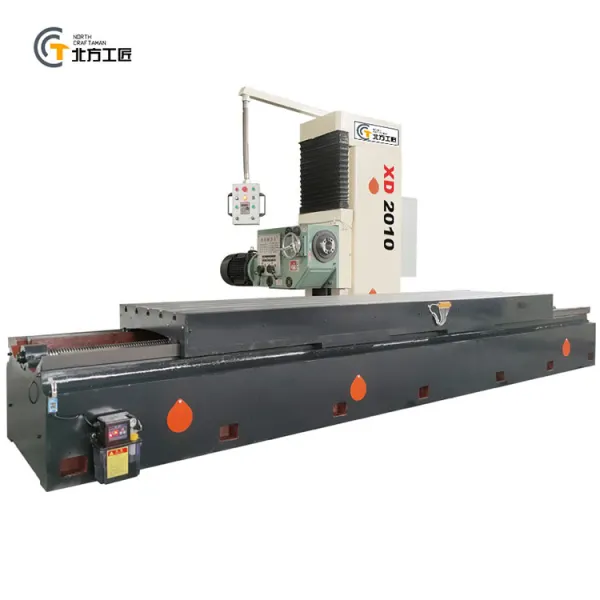
High-Speed Precision Turning
High-speed precision turning refers to machining operations performed at very high spindle speeds and feed rates while maintaining excellent dimensional accuracy and surface finish. This type of machining is essential when producing parts that must meet strict tolerances and smooth surface requirements. Components such as shafts, connectors, bushings, medical implants, and aerospace parts often require this level of precision.
To achieve high-speed precision turning, a CNC lathe must have several advanced features. These include a rigid machine structure, a high-performance spindle, accurate servo motors, advanced control software, and effective cooling systems. The combination of these elements enables the machine to cut material quickly without sacrificing stability or accuracy.
Advantages of CNC Lathes in High-Speed Turning
One of the biggest advantages of CNC lathes is their ability to improve productivity. Because the machine operates automatically, it can run continuously with little interruption. This reduces cycle time and increases output. In high-speed turning applications, this means manufacturers can produce more parts in less time.
Another major advantage is precision. CNC lathes can maintain extremely tight tolerances, often within microns. This level of accuracy is difficult to achieve with manual machining. The computer-controlled system ensures that every part is produced according to the same specifications, which is especially important for mass production.
CNC lathes also improve surface quality. High-speed cutting combined with advanced tool paths can produce a smoother finish, reducing the need for secondary operations such as grinding or polishing. This helps lower manufacturing costs and shorten delivery time.
In addition, CNC lathes provide greater flexibility. A single machine can produce different types of parts by changing the program and tools. This makes it easier for manufacturers to switch between products and respond to customer demands quickly.
Key Components of a High-Speed CNC Lathe
A high-speed precision CNC lathe is built from several essential components. The spindle is one of the most important parts because it holds and rotates the workpiece. For high-speed applications, the spindle must be balanced, powerful, and capable of maintaining stable performance at high revolutions per minute.
The bed and frame of the machine must be highly rigid to reduce vibration. Vibration can negatively affect accuracy and surface finish, especially during high-speed cutting. A strong machine structure helps ensure stability during operation.
The tool turret is another important component. It holds multiple cutting tools and allows quick tool changes during machining. This reduces downtime and improves efficiency. Modern CNC lathes may also include live tooling, which enables milling and drilling operations in addition to turning.
The control system is the “brain” of the machine. It interprets the machining program and coordinates all movements. Advanced CNC controllers offer features such as automatic compensation, tool wear monitoring, and real-time diagnostics. These functions help improve machining quality and reduce errors.
Applications of High-Speed Precision CNC Lathes
High-speed CNC lathes are used in many industries. In the automotive sector, they are used to make engine parts, brake components, transmission shafts, and other critical parts that require accuracy and durability. The ability to produce large quantities efficiently makes CNC lathes ideal for automotive manufacturing.
In aerospace, CNC lathes are used to produce lightweight and high-strength components such as landing gear parts, turbine shafts, and connectors. These parts must meet strict performance and safety standards, so precision machining is essential.
The medical industry also relies on CNC lathes for making surgical instruments, orthopedic implants, and dental components. These products often have complex shapes and require a high-quality surface finish to ensure safety and performance.
Electronics manufacturers use CNC lathes to produce small, detailed components such as connectors, housings, and precision shafts. The machine’s ability to handle small tolerances makes it valuable in this field as well.
Factors Affecting Performance
Several factors influence the performance of a CNC lathe in high-speed precision turning. Tool quality is very important. Cutting tools must be made from durable materials such as carbide or coated inserts to withstand heat and wear. Using the wrong tool can lead to poor finish and reduced tool life.
Material properties also affect machining results. Harder materials generally require different cutting speeds and feeds compared to softer materials. The operator or programmer must choose the correct machining parameters for each material.
Coolant and lubrication are also essential. High-speed machining generates significant heat, which can damage both the tool and the workpiece. Proper cooling helps extend tool life, improve chip evacuation, and maintain dimensional accuracy.
Machine maintenance is another critical factor. Regular inspection, cleaning, lubrication, and calibration help keep the CNC lathe in optimal condition. A poorly maintained machine may lose accuracy and experience more downtime.
Future Development of CNC Lathes
As manufacturing technology continues to advance, CNC lathes are becoming smarter, faster, and more efficient. Integration with artificial intelligence, sensors, and data analysis is making it possible to monitor machine performance in real time and predict maintenance needs before failures occur. This leads to higher productivity and lower operating costs.
Automation is also becoming more common. Robotic loaders, automatic part feeders, and unattended machining systems allow CNC lathes to work for long periods with minimal operator involvement. This is especially useful for high-volume production.
In the future, CNC lathes will likely continue to improve in speed, accuracy, energy efficiency, and connectivity. These improvements will help manufacturers meet the growing demand for high-quality precision parts.
Conclusion
A CNC lathe for high-speed precision turning operations is a powerful and versatile machine tool that has transformed modern manufacturing. It combines computer control, automation, and mechanical stability to deliver fast, accurate, and repeatable machining results. Its ability to improve productivity, maintain tight tolerances, and produce excellent surface finishes makes it indispensable across many industries. As technology continues to develop, CNC lathes will become even more advanced, supporting the future of precision manufacturing.

 English
 Pусский


